Galangan Kapal Terbesar di Indonesia: Kapasitas Dok & Rekam Jejak
Oleh Indonesia Shipyard Build Desk · PT Komodo Galangan Nusantara · Diperbarui Agustus 2026 Galangan kapal terbesar di Indonesia terkonsentrasi di tiga…
Indonesia · National yard register · Owner-side desk
Indonesia Shipyard maps national dry dock and repair capacity from Batam to Sorong, then runs yard selection, tendering and docking or refit supervision on the owner's side. Quotations in USD.
250+
Registered shipyards
4
Working clusters
300 m
Largest dock LOA
USD
All quotations
Capacity ledger — indicative national bands
Batam
Large private yards · graving + floating
LOA 180–300 m
to ~80,000 DWT
Surabaya
State & private · graving / floating / slipway
LOA to ~190 m
to ~50,000 DWT
Jakarta
Tanjung Priok · graving + floating
LOA to ~150 m
to ~20,000 DWT
Makassar
Industrial yards · graving / slipway
LOA to ~120 m
to ~10,000 GT
NTT – Maluku
Charter haul-out · slipway / airbag
LOA to ~55 m
to ~500 GT
Screen on geometry before price · full register inside
01The register
Indonesia's working yard capacity, organised by cluster and dock type. Screen on geometry first — LOA, beam, draft, certified lift — before any commercial question is opened.
| Cluster | Dock type | Max LOA | Tonnage band | Typical vessels |
|---|---|---|---|---|
| Batam large private yards | Graving & large floating docks | 180–300 m | to ~80,000 DWT | Bulkers, tankers, container feeders, offshore units |
| Surabaya state & private yards | Graving, floating, slipway | to ~190 m | to ~50,000 DWT | Newbuild & repair, naval, tankers, ro-ro |
| Jakarta state-owned docks (Tanjung Priok) | Graving & floating | to ~150 m | to ~20,000 DWT | Cargo, ferries, government fleet |
| Lamongan shipbuilding belt | Slipways, airbag launch, graving | to ~120 m | to ~10,000 GT | Newbuild LCT, barges, tugs, repair |
| Makassar industrial yards | Graving, slipway | to ~120 m | to ~10,000 GT | Cargo, ferries, pinisi-hull conversions |
| Balikpapan & Banjarmasin | Floating docks, airbag | to ~110 m | to ~8,000 GT | Coal barges, tugs, OSV |
| Charter-fleet haul-out (NTT / Maluku) | Slipway, airbag | to ~55 m | to ~500 GT | Liveaboards, timber & steel charter vessels |
Swipe the table sideways for every column
02Selection & vetting
The same protocol runs for every owner, whether the vessel is a 300 GT liveaboard or a 15,000 DWT product tanker.
The dock must fit LOA, beam, draft and certified lift capacity. Anything that fails geometry leaves the list before price is discussed.
Dock certificates, welder and procedure qualifications, coating facilities, class relationships, and recent references for your vessel type.
RFQ structured in the yard's own tariff layers — dues, lay days, steel by kilogram, coatings by square metre — so bids compare line by line.
Dock slot secured against your survey window; payment schedule, retention and remeasure rules fixed before the vessel sails in.
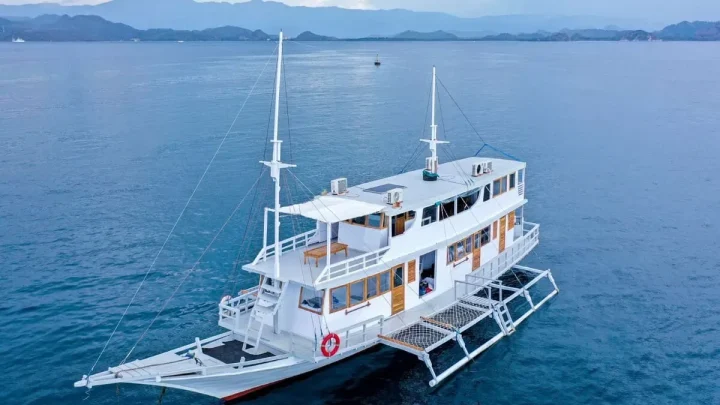
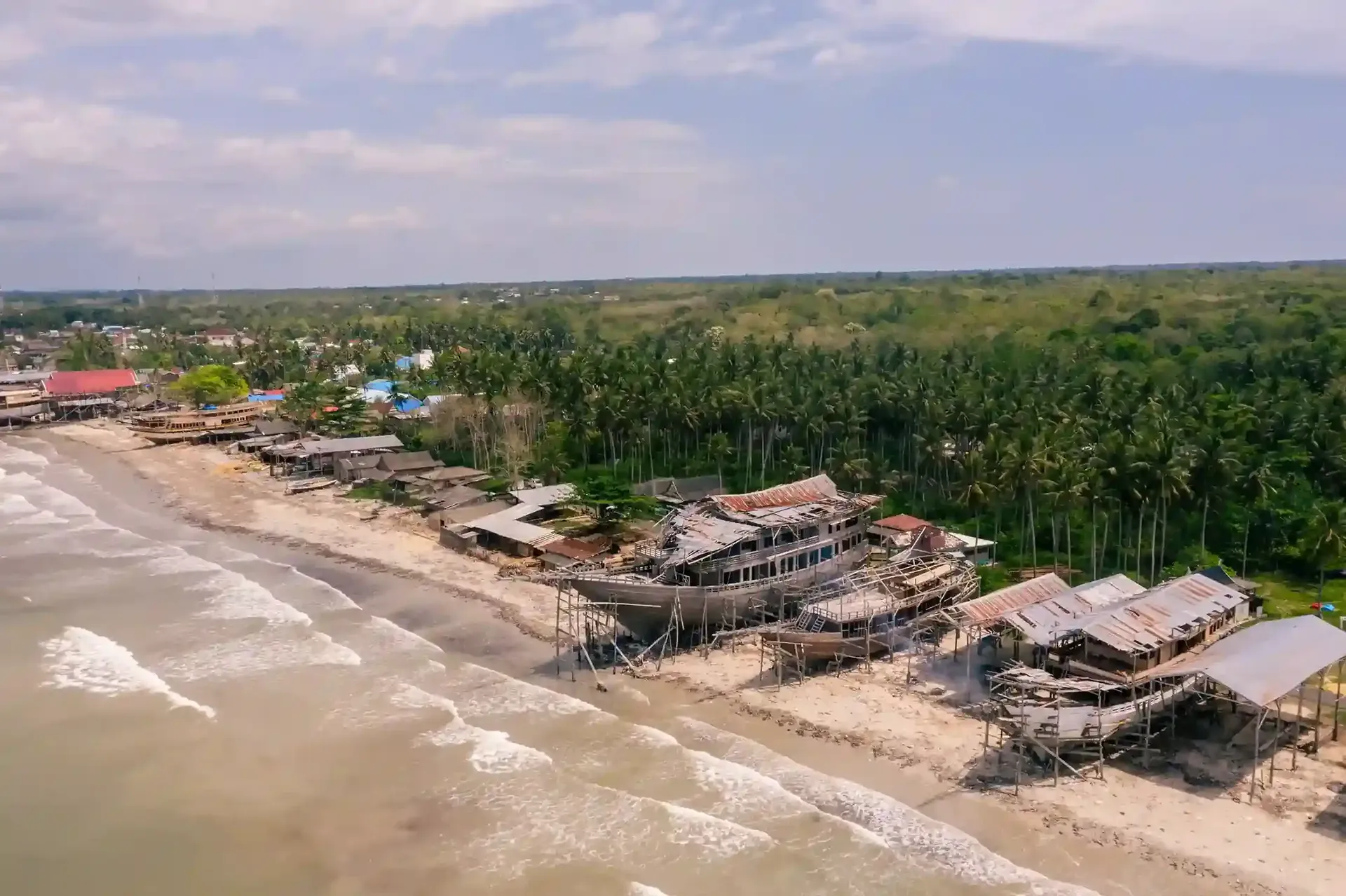
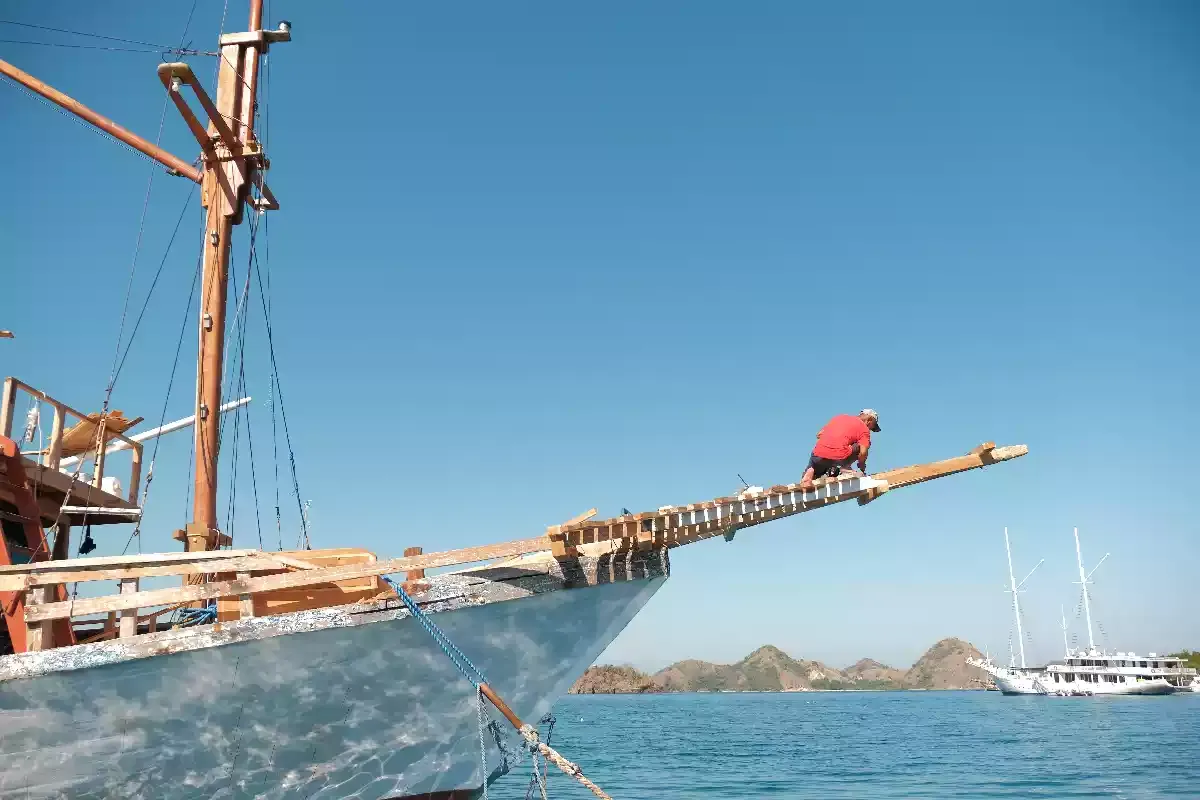
Slipway haul-out · NTT / Maluku
The smallest cluster on the register and the one charter operators live by: airbag and marine-railway haul-out for hulls to about 55 m, where the binding constraint is tide and cradle geometry rather than tonnage.
03Supervision
A yard executes; an owner's representative verifies. An independent eye on quantities, welds, coatings and schedule is the difference between the invoice you approved and the invoice you receive.
Docking
Attendance from dock-in to undocking: steel remeasure verification, coating hold points, machinery scope sign-off, daily photo log to the owner.
Refit
Refit and conversion programmes managed from scope to redelivery — yard matching, long-lead equipment, systems upgrades, sea trials.
Newbuild
Newbuild supervision from contract review and plan approval through block construction, launch and delivery, aligned with class survey stages.
All quotations issued in USD · government and port fees may be quoted in IDR
04Standards
Classed vessels dock to a survey clock, not a preference: two docking surveys in each five-year special survey period, never more than 36 months apart. Dock slots are aligned to that cycle so a docking and a survey are one event, not two costs.
Year 0
Docking paired with class renewal — the heaviest scope of the cycle.
≤ 36 months
Second docking survey of the period; hull, sea valves, shaft and anodes witnessed.
Annual
Afloat where permitted; findings feed the next docking specification.
Year 5
Next special survey — slots at flagship graving docks book out months ahead.
05Cost desk
Indicative national bands for routine docking scope, in USD. Steel renewal, coating systems and machinery findings move the number — which is why quantities are verified, not assumed.
| Vessel class | Typical size | Routine band (USD) | Duration |
|---|---|---|---|
| Harbour / coastal tug | to 500 GT | 25,000–80,000 | 7–14 days |
| General cargo / coaster | 1,500–5,000 GT | 90,000–250,000 | 12–21 days |
| Product tanker | 3,000–15,000 DWT | 150,000–500,000+ | 14–30 days |
| Passenger ferry / ro-ro | 1,000–5,000 GT | 120,000–350,000 | 14–25 days |
| Charter / liveaboard vessel | to 500 GT | 15,000–60,000 | 7–14 days |
Swipe the table sideways for every column
06Journal
Technical notes on Indonesian yards, classification, newbuild supervision, repair and refit.
Oleh Indonesia Shipyard Build Desk · PT Komodo Galangan Nusantara · Diperbarui Agustus 2026 Galangan kapal terbesar di Indonesia terkonsentrasi di tiga…
By Indonesia Shipyard Build Desk · PT Komodo Galangan Nusantara · Updated August 2026 Vetting an Indonesian shipyard before committing a vessel…
By Indonesia Shipyard Build Desk · PT Komodo Galangan Nusantara · Updated August 2026 The standard payment pattern at Indonesian repair yards…
07Questions
Questions
The six questions that open almost every enquiry to this desk.
LOA, beam, draft, tonnage, class status and the survey window. Scope comes back itemised in USD — yard work, owner-supplied equipment and supervision kept as separate lines so one can change without renegotiating the others.
Quotations in USD · government and port fees may be quoted in IDR